
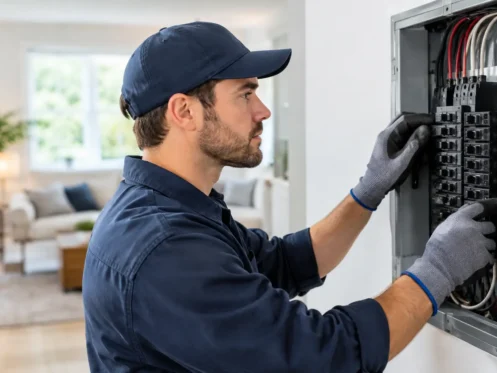
A home can look perfectly normal while its electrical system is working far harder than it was designed to. A single overloaded circuit, a loose connection behind an outlet, or an outdated panel can create real risk long before a breaker trips. That is why residential electrical safety trends are increasingly focused on prevention: finding weak points early, planning for new technology, and making repairs that address the cause rather than the symptom.
For homeowners in Mebane and the surrounding Triangle and Burlington areas, this shift matters. Many local homes were built before electric vehicles, whole-home Wi-Fi, larger kitchen appliance loads, and backup power were everyday expectations. Modern convenience is valuable, but it needs an electrical system that can support it safely.
Residential Electrical Safety Trends Changing Home Upgrades
The biggest change is that electrical work is no longer limited to fixing something after it fails. Homeowners are asking for safety inspections, panel evaluations, dedicated circuits, and surge protection before adding major equipment. That is a practical response to how homes are used now.
A breaker that trips occasionally may be signaling an overloaded circuit, a worn breaker, or a loose connection. Resetting it repeatedly can hide the issue, not solve it. Similarly, a warm outlet, flickering lights, buzzing at a switch, or a burning smell deserves prompt professional attention. These are not small inconveniences to put off until a renovation.
Smarter Panels Bring Better Awareness, Not Automatic Answers
Smart electrical panels and circuit-monitoring devices are gaining attention because they can show how and when a home uses power. For some households, that information can help identify high-demand appliances, track unusual electrical use, or plan for an EV charger and future upgrades.
However, monitoring technology is not a substitute for a properly sized, well-maintained service panel. A smart device cannot repair corroded connections, correct unsafe wiring, or create capacity that an older panel does not have. It can be a useful addition when the underlying electrical system is sound, but the first question should always be whether the panel and service are safe for the home’s actual load.
Whole-Home Surge Protection Is Becoming a Practical Standard
Many homeowners think of surge protection as a power strip under a desk. Those strips can help protect connected devices, but they do not provide the same level of defense as a properly installed whole-home surge protective device at the electrical panel.
Power surges do not only come from lightning. They can also occur when large appliances cycle, when utility power is restored after an outage, or when electrical conditions shift elsewhere on the grid. Today’s homes contain expensive electronics in HVAC systems, appliances, entertainment systems, internet equipment, security devices, and charging stations. Whole-home surge protection helps reduce exposure across the system, though it works best alongside point-of-use protection for sensitive electronics.
The trade-off is straightforward: no surge protection can guarantee that every device will survive every event. Still, it is a relatively focused upgrade that can add meaningful protection when selected and installed correctly.
Safer Outlets and Wiring Still Matter Most
New technology receives attention, but basic wiring safety remains the foundation. Many hazards begin at ordinary switches, receptacles, junction boxes, and aging conductors hidden in walls or attics.
Ground-fault circuit interrupter, or GFCI, protection is designed to reduce shock risk in areas where water and electricity may meet, such as bathrooms, kitchens, garages, crawl spaces, unfinished basements, and outdoor locations. Arc-fault circuit interrupter, or AFCI, protection is intended to detect dangerous arcing conditions that can occur from damaged wiring or loose connections. Requirements vary by location, age of the home, and scope of work, but both protections reflect a broader focus on catching hazards earlier.
Older homes deserve special attention. Two-prong outlets, ungrounded receptacles, aluminum branch-circuit wiring, cloth-covered wiring, frequent breaker trips, and improvised extension-cord use are all reasons to schedule an evaluation. Not every older home requires complete rewiring, and a full rewire is a significant investment. The right answer depends on the condition of the existing system, accessibility, planned renovations, and the home’s electrical demand. A qualified electrician should explain the findings clearly and recommend only the work that makes sense.
EV Chargers Need More Than an Available Outlet
EV ownership is one of the clearest drivers of residential electrical upgrades. A Level 2 charger can make daily charging far more convenient, but it also adds a substantial, continuous electrical load. Installing one is not simply a matter of finding space in the garage.
A proper installation starts with a load calculation and an assessment of the panel, service capacity, circuit routing, and charger location. In some homes, a dedicated circuit is all that is needed. In others, the panel may be full, the service may be undersized, or a panel upgrade may be the safer long-term solution.
Using an extension cord or relying on an outlet that was not designed for EV charging can create overheating and fire concerns. A professionally installed charger provides convenience, but more importantly, it gives the equipment the dedicated circuit and protection it needs.
Backup Power Requires a Safe Connection Method
Storms, fallen trees, and utility interruptions make backup power a reasonable consideration for many North Carolina homeowners. Portable generators and standby generators can keep essential equipment running, but they must be connected safely.
Backfeeding a generator through a dryer outlet or another receptacle is dangerous and can energize utility lines unexpectedly, putting utility workers and neighbors at risk. A generator interlock or transfer equipment installed at the panel helps prevent that condition by controlling how utility and generator power are used. The best option depends on whether the goal is to power a few essentials, support a larger portion of the house, or provide automatic whole-home backup.
Planning also matters. A generator cannot safely support every appliance at once unless the system has been designed for that load. Knowing which circuits matter most – refrigeration, medical devices, selected lighting, a sump pump, or heating equipment – helps create a safer and more cost-effective setup.
Electrical Inspections Are Moving From Reactive to Preventive
Home inspections during a sale are useful, but they are not a replacement for a detailed electrical safety inspection. A dedicated inspection can evaluate visible wiring conditions, panel labeling, grounding and bonding, outlet performance, protective devices, signs of overheating, and other indicators of concern.
This is especially worthwhile before buying an older home, beginning a remodel, adding an EV charger, installing a generator, or converting a garage or attic into living space. It can also bring clarity after repeated nuisance tripping or when a home has had water intrusion, storm damage, or rodent activity.
A good electrician does more than point out problems. They explain urgency in plain language. Some issues require immediate repair, such as damaged service equipment, exposed energized parts, or overheating connections. Others can be planned as part of a future upgrade. Clear priorities and upfront pricing help homeowners make decisions without guesswork.
A Safer Home Starts With Small Signals
Electrical safety trends point toward smarter planning, but homeowners do not need to overhaul everything at once. Start by paying attention to changes: lights that flicker, outlets that feel loose, switches that spark, breakers that trip, cords that get hot, or appliances that behave unpredictably. Avoid covering electrical problems with larger breakers, power strips, or repeated resets.
For upgrades and repairs, licensed workmanship matters because electrical problems are often hidden behind walls and inside panels. Mebane Electrical Services approaches these calls with thorough diagnostics and permanent repairs, whether the job is a single unsafe outlet or a larger panel, generator, or rewiring project.
The most useful trend is not a device or a feature. It is treating electrical safety as part of regular home maintenance, so small warning signs can be handled before they become an emergency.