
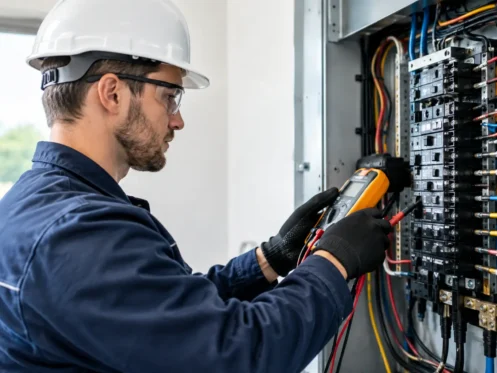
A breaker that trips once may be an inconvenience. A breaker that trips repeatedly, an outlet that feels warm, or lights that dim when an appliance starts can be a warning that deserves a closer look. An electrical safety inspection in Mebane, NC gives property owners clear answers before a small symptom becomes damaged equipment, an unexpected outage, or a serious fire risk.
Electrical systems work quietly behind walls, ceilings, and panels, so problems are easy to overlook. That is why an inspection is not only for homes with obvious issues. It is also a practical step before buying a property, planning an addition, installing an EV charger, or relying on backup power during an outage.
When an Electrical Safety Inspection Makes Sense
Some calls for an inspection are prompted by a visible concern. Others are about uncertainty. Both are valid reasons to have a licensed electrician evaluate the system.
Older homes often deserve special attention, particularly if the wiring, panel, or outlets have not been updated in many years. A home can look well maintained while still having undersized circuits, outdated components, loose connections, or wiring methods that do not match how the household uses electricity today. Modern kitchens, home offices, entertainment systems, heat pumps, electric vehicles, and portable generators can place far more demand on a system than it was originally designed to handle.
An inspection is also useful after a major storm, a water leak, lightning event, renovation, or DIY electrical work. Water and electricity are an especially concerning combination. Moisture near a panel, outlet, junction box, crawlspace wiring, or exterior equipment should be evaluated promptly, even if everything still appears to operate normally.
For buyers, sellers, Realtors, and property managers, an independent electrical inspection can clarify what requires immediate repair, what should be planned for, and what is functioning safely. A standard home inspection can identify broad concerns, but a licensed electrical contractor can perform a more focused assessment when questions arise.
What a Professional Electrical Inspection Checks
A thorough inspection is not a quick walk through the house with a voltage tester. The electrician begins by listening to the concerns that brought you in, such as flickering lights, unreliable outlets, a burning odor, or breakers that will not stay on. Those details help direct the diagnostic process.
The Electrical Panel and Circuit Protection
The electrical panel is the control center for the property. An electrician checks for signs of overheating, corrosion, damaged components, improper breaker sizing, missing panel covers, labeling concerns, and overloaded circuits. They also look at whether the panel has enough safe capacity for the property’s current and anticipated electrical needs.
A panel replacement is not automatically necessary because a panel is older. It depends on its condition, capacity, manufacturer, the type of equipment installed, and what the inspection finds. In some cases, a targeted repair or circuit addition is appropriate. In others, an upgrade is the safer long-term choice, especially before adding high-demand equipment such as an EV charger or generator connection.
Outlets, Switches, and Protective Devices
Loose receptacles, cracked covers, discolored outlets, buzzing switches, and outlets that do not hold a plug securely should not be ignored. These issues can indicate worn or damaged parts, loose wiring connections, or heat buildup.
The inspection can also identify where ground-fault circuit interrupter protection, commonly called GFCI protection, is needed or not operating properly. This protection is particularly important in locations where moisture is more likely, including bathrooms, kitchens, garages, crawlspaces, unfinished areas, and exterior spaces. Depending on the age and layout of the property, an electrician may also evaluate where arc-fault protection is appropriate.
Wiring, Connections, and Visible Equipment
When wiring is accessible, such as in an attic, basement, garage, crawlspace, or utility area, the electrician checks for exposed conductors, unsupported cables, improper splices, damaged insulation, overloaded extension-cord use, and other visible hazards. Junction boxes should be covered, and electrical connections should be contained in approved boxes rather than left open behind walls or ceilings.
Not every inch of wiring is visible without opening finished surfaces, and a responsible electrician will explain that limitation. Still, visible conditions, testing, panel evaluation, and the property’s history often reveal whether further diagnostic work is warranted.
Exterior and Specialty Electrical Equipment
Outdoor outlets, lighting, service equipment, detached buildings, pools, hot tubs, HVAC disconnects, generator connections, and EV charging equipment all need careful attention. Weather exposure, physical damage, incorrect installation, and inadequate protection can create risks that are not apparent from inside the home.
If you use a portable generator, an inspection is a good time to discuss a properly installed interlock connection. Running a generator through unsafe temporary methods can endanger your home, your equipment, and utility workers. The right solution depends on the generator, panel, intended loads, and the electrical layout of the property.
Warning Signs That Should Not Wait
If you smell burning plastic, see smoke, hear crackling from a panel or outlet, notice sparking, or feel an outlet or switch plate getting hot, turn off power to the affected area if it is safe to do so and request professional help right away. Do not keep resetting a breaker that trips repeatedly. A breaker is designed to interrupt power when it detects a problem, and repeatedly forcing it back on can allow the underlying issue to worsen.
Other signs are less urgent but still worth scheduling: lights that flicker throughout the house, outlets that stop working, frequent blown bulbs, shocks or tingling when touching appliances, and extension cords being used as a permanent solution. These symptoms can have several causes. The point of an inspection is to identify the actual cause instead of guessing at a repair.
What Happens After the Inspection
The most useful inspection ends with plain answers. You should understand what was found, why it matters, and what options are available. Safety-related repairs should be clearly separated from improvements that can be scheduled later, so you can make informed decisions without pressure.
Some findings call for a straightforward repair, such as replacing a worn outlet, correcting a loose connection, installing a cover, or adding required protection. Others may point to a larger project, including rewiring damaged sections, installing dedicated circuits, upgrading a panel, or correcting electrical work completed without proper methods.
Upfront pricing and clear communication matter here. An experienced electrician should explain the scope before work begins and let you know if deeper diagnostic findings change the recommended repair. Permanent repairs are usually the better value than repeated temporary fixes, but the right path should always reflect the property’s condition, future plans, and budget.
Preparing for Your Appointment
You do not need technical knowledge to prepare for an electrical safety inspection. Make a short note of what you have noticed: which breaker trips, when lights flicker, which outlets are unreliable, and whether the issue began after a storm, appliance purchase, or remodeling project. If possible, clear access to the electrical panel, attic entry, crawlspace access, and problem outlets.
For commercial spaces and rental properties, it also helps to share any reports from tenants or employees. A circuit issue that happens only when certain equipment runs may not be obvious during a quiet walkthrough. Specific examples help the electrician test efficiently and recommend repairs that address the root cause.
Mebane Electrical Services provides inspections with the same safety-first approach used for repairs, panel upgrades, lighting, generators, and EV charging work. The goal is not to create unnecessary work. It is to identify real hazards, explain them clearly, and complete the work needed to keep the property dependable.
If your electrical system has been giving you reasons to wonder, do not wait for a larger failure to provide the answer. A professional inspection can replace uncertainty with a practical repair plan and the confidence that your home or business is being looked after properly.