A breaker that trips once may be a nuisance. A breaker that keeps tripping, an outlet that feels warm, or lights that dim when the HVAC starts can point to a problem that deserves a closer look. An electrical safety inspection Mebane homeowners schedule at the right time can identify hazards before they turn into damaged equipment, costly repairs, or a fire risk.
Electrical systems do most of their work behind walls, inside panels, and above ceilings. That makes it easy to overlook aging wiring, overloaded circuits, loose connections, and outdated protection until something stops working. A professional inspection gives you a clear picture of what is safe, what needs attention now, and what can be planned for later.
What an electrical safety inspection checks
A thorough inspection is more than a quick look at the electrical panel. A licensed electrician evaluates the parts of the system that protect people, property, and the equipment connected to it. The scope depends on the age and condition of the building, as well as the reason for the visit.
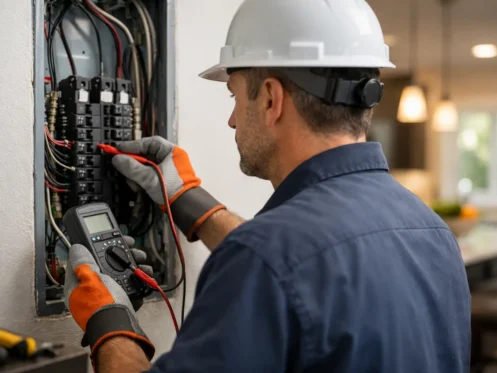
In a typical home or business, the electrician will examine the main panel and breakers for signs of overheating, corrosion, improper labeling, double-tapped connections, and capacity concerns. They may check whether grounding and bonding are properly installed and whether the panel has appropriate surge protection or modern safety devices where needed.
Outlets, switches, light fixtures, and visible wiring are also part of the process. GFCI protection is especially important in kitchens, bathrooms, garages, crawl spaces, laundry areas, and exterior locations. AFCI protection may be needed in many living areas to help reduce fire risks caused by arcing faults. These requirements can vary based on the property, its age, and the work being performed, so the goal is to identify practical safety improvements rather than apply a one-size-fits-all answer.
An inspection can also reveal issues that are not obvious to the property owner: loose outlets, reversed polarity, damaged wire insulation, overloaded extension-cord use, inadequate circuit capacity, or improper work left behind by a previous repair or renovation.
When to schedule an electrical safety inspection in Mebane
Some electrical concerns require immediate service, especially burning odors, smoke, sparking, buzzing from the panel, shock sensations, or a breaker that will not stay on. In those cases, stop using the affected circuit if it is safe to do so and call a qualified electrician promptly.
Other situations are ideal for a scheduled inspection. Homeowners often request one after purchasing an older house, before listing a property, or when planning a renovation. It is also wise to schedule an inspection before adding a major electrical load, such as an EV charger, hot tub, electric range, workshop equipment, or standby generator connection.
Properties throughout Mebane and the surrounding Durham, Chapel Hill, and Burlington area range from older homes with decades of additions to newer homes built for lighter electrical demands than many families have today. A house may have worked well for years, then begin showing signs of strain after a home office, electric vehicle, new appliances, or finished basement changes how power is used.
A safety inspection is also a sensible step for landlords, property managers, and business owners between tenants or before opening a new space. It creates an opportunity to address known problems, document needed repairs, and reduce the chance that a small maintenance issue becomes an after-hours emergency.
Warning signs you should not ignore
Electrical problems do not always announce themselves with a complete outage. Small changes in performance can be the first sign that a connection, circuit, or panel needs professional attention.
Call for an inspection if you notice frequent breaker trips, flickering or dimming lights, outlets that are loose or warm, discoloration around switches or receptacles, or appliances that repeatedly lose power. A crackling sound, a burning smell, or a mild shock from a switch or appliance should be treated as urgent.
It is also worth paying attention to workarounds. If your household relies heavily on power strips, extension cords, plug-in adapters, or repeated resetting of a breaker, the system may not be providing power where it is needed. Those items can be useful for temporary, low-demand use, but they are not a permanent solution to insufficient outlets or overloaded circuits.
Older electrical panels and wiring methods do not automatically mean a property is unsafe. Condition, installation quality, prior modifications, and current electrical demand all matter. That is why a professional evaluation is more useful than guessing based on a home’s age alone.
What happens after the inspection
A good inspection should leave you with answers, not more confusion. Your electrician should explain what was found in plain language, identify any immediate hazards, and discuss recommended repairs or upgrades. You should also understand which work is a safety priority and which work can be scheduled as part of a future improvement plan.
For example, a loose connection or damaged receptacle may call for a prompt repair. An undersized panel may still be operating safely but require an upgrade before installing an EV charger or expanding a finished space. An outdated bathroom outlet may need GFCI protection even if it appears to work normally. Each issue has a different level of urgency.
The right repair addresses the source of the problem. Replacing a tripping breaker without determining why it trips can leave the underlying fault in place. Adding another power strip to a crowded room does not solve inadequate circuit capacity. Permanent repairs may involve replacing damaged wiring, correcting panel connections, installing additional circuits, upgrading outlets, or improving grounding and surge protection.
Inspections before upgrades protect your investment
Many electrical projects begin with a simple request: install an EV charger, add a generator connection, replace a fixture, or run power to a new appliance. Before completing that work, the existing system needs to be able to support it safely.
An inspection helps determine whether the panel has enough available capacity and whether the current wiring, breakers, and grounding are appropriate for the new load. Sometimes the installation is straightforward. Other times, the safest route is a panel upgrade, a dedicated circuit, or repairs to existing equipment before moving forward.
That upfront assessment prevents surprises later and helps protect the equipment you are investing in. It also gives you the opportunity to prioritize work based on safety, budget, and future plans for the property.
Why licensed electrical work matters
Electrical safety is not the place for trial and error. A qualified electrician has the training and tools to test circuits, identify hidden defects, and make repairs that meet applicable code requirements. Just as important, an experienced professional knows when a symptom can be resolved with a targeted repair and when it points to a larger issue within the panel or wiring system.
Mebane Electrical Services approaches inspections with the same care used for repairs, panel upgrades, rewiring, generator connections, and EV charger installations. The focus is on clear communication, honest recommendations, and work that permanently resolves the problem whenever possible. You should never feel pressured into work you do not understand, but you should have a direct explanation of any condition that puts your property or family at risk.
A safer electrical system starts with clear answers
Electrical systems rarely improve by being ignored. If you have noticed warning signs, are buying or renovating a property, or want to prepare for new electrical demands, a professional inspection is a practical place to start. Schedule the visit before the next small concern becomes an urgent repair, and use what you learn to make confident decisions about your home or business.