
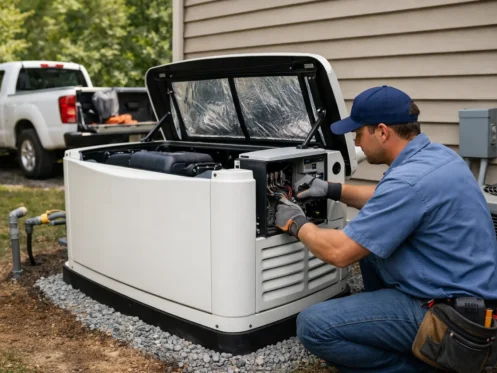
A power outage can turn from inconvenient to stressful quickly, especially when it affects refrigeration, well pumps, medical equipment, heating, cooling, or a home office. Professional generator installation in Mebane gives property owners a safe, planned way to keep essential systems operating when utility power is unavailable. The right system is not simply the largest generator available. It is the generator, transfer equipment, electrical capacity, and fuel plan that fit the property’s real needs.
When Generator Installation in Mebane Makes Sense
Backup power is useful for more than major storms. Brief utility interruptions can disrupt a business, leave a family without water, or create problems for homes with sump pumps, electric garage doors, or temperature-sensitive medications. A permanently installed standby generator can detect an outage and begin supplying selected power automatically. That added convenience is valuable for homeowners who travel, older adults, families with medical needs, and commercial properties that cannot afford extended downtime.
A portable generator may be a practical choice for some properties, particularly when outages are occasional and the goal is to run a few essential appliances. However, a portable unit should never be connected to a home through an unsafe shortcut, such as a dryer outlet or an improvised cord. Those connections can energize utility lines, damage equipment, and create serious shock and fire hazards.
A licensed electrician can help determine whether a standby generator, a portable generator interlock connection, or another backup-power approach is the better investment. The answer depends on how often outages occur, what must stay on, the layout of the property, and the budget available for installation and long-term maintenance.
Start With the Loads You Need to Protect
The most useful question is not, “What size generator should I buy?” It is, “What needs to work during an outage?” That conversation helps prevent two common problems: purchasing a system that cannot handle critical equipment or paying for far more capacity than the property requires.
Many homeowners choose to support selected circuits, such as refrigerators, freezers, lighting, internet equipment, garage doors, sump pumps, a well pump, and a few outlets. Others want broader whole-home coverage, which may include central heating and cooling, electric cooking equipment, laundry appliances, and larger motors. A business owner may prioritize security systems, emergency lighting, point-of-sale equipment, networking, refrigeration, or a limited number of work areas.
Each appliance has starting and running power demands. Motors, compressors, pumps, and HVAC equipment can require a higher surge of power when they start. That is why guessing based on square footage or relying on a neighbor’s generator size can lead to disappointing results. A proper assessment considers the circuits, equipment ratings, panel configuration, and the way the building is actually used.
Load planning also creates choices. A smaller generator with a managed selection of essential circuits can be a cost-effective and dependable solution. A larger system can provide more comfort and flexibility, but it may require a larger fuel supply, more installation work, and a higher upfront cost. Clear recommendations should explain those trade-offs before work begins.
Choosing Between Standby and Portable Generator Connections
A standby generator is permanently installed outside the home or business and is commonly powered by natural gas or propane. It works with an automatic transfer switch that separates the property from the utility during an outage. When power returns, the system transfers back safely. For customers who want automatic operation and longer-duration backup power, this is often the preferred option.
Portable generators cost less upfront and can be stored when not in use. With a properly installed interlock kit or manual transfer equipment, they can safely power selected circuits through the electrical panel. This option requires someone to set up the generator, start it, connect it correctly, and monitor fuel. It may be a good fit for hands-on property owners who only need limited backup power.
Neither option is automatically right for every property. A standby system offers convenience and a more permanent solution, while a portable system can meet essential needs at a lower initial cost. The key is having the connection equipment installed correctly so utility power and generator power cannot feed into the building at the same time.
Safe Placement, Fuel Supply, and Electrical Connections
Generator installation involves more than mounting equipment beside a house. The unit needs proper clearance from doors, windows, vents, and other building features. It must be placed on a stable surface where exhaust can dissipate safely and where service technicians can access it. Noise, drainage, local requirements, and manufacturer instructions also affect placement.
Fuel planning matters just as much. Natural gas can offer continuous fuel availability when utility service remains active, while propane requires appropriately sized storage and delivery planning. The expected runtime, generator capacity, and the appliances being powered all influence fuel use. Customers should understand those practical details before choosing a system.
Inside the building, the generator connection must be coordinated with the electrical panel and transfer equipment. Older homes may need panel upgrades, repairs, or additional capacity before a generator can be installed correctly. That is not unnecessary add-on work. It is often the step that protects the generator, the home’s wiring, and the people using the property.
Permits and inspections may also apply based on the project and local requirements. A qualified electrical contractor can identify the electrical scope, coordinate work with other necessary trades when appropriate, and help ensure the completed installation is ready for safe operation.
Why Professional Installation Protects Your Property
Generator work brings together live electrical equipment, utility power, fuel systems, and high electrical loads. Errors can result in backfeeding, fire risk, carbon monoxide exposure, equipment damage, or a generator that fails when it is needed most. A safe installation is designed to prevent these risks, not merely to make a generator run.
Professional work also makes ownership easier. The technician can explain which circuits are covered, how the transfer equipment works, what happens during an outage, and what routine testing is needed. Property owners should not have to wonder whether they can run the microwave while the well pump is operating or whether a portable connection is set up safely.
For commercial properties, planning is especially valuable. A business may need to keep specific loads operating without trying to power every system in the building. Identifying those priorities in advance helps control costs while protecting operations that matter most.
Keep Your Generator Ready Between Outages
A generator is only useful if it starts, transfers power properly, and has the fuel and maintenance it needs. Standby systems should be exercised according to the manufacturer’s recommendations and serviced on schedule. Portable generators need fresh fuel management, oil checks, battery attention where applicable, and safe storage.
It is also wise to revisit the backup-power plan after major home changes. Adding an EV charger, replacing HVAC equipment, finishing a basement, installing a well pump, or expanding a business can change the electrical load. A generator sized for the property several years ago may need an updated assessment.
Mebane Electrical Services approaches generator projects with the same focus used for every electrical repair and upgrade: clear communication, thorough diagnostics, safe workmanship, and solutions built to last. Before the next outage tests your property, a professional evaluation can turn backup power from a question mark into a dependable part of your electrical plan.