
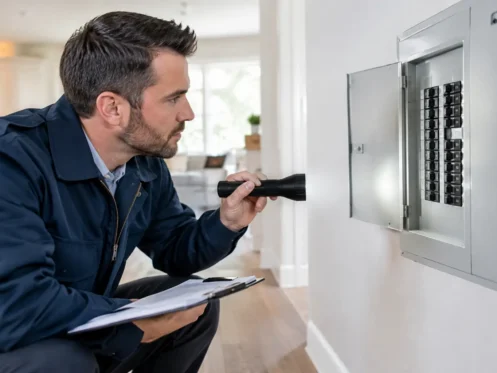
A home can show beautifully and still have electrical issues behind the walls, inside the panel, or at the outlets. That is why realtor home inspections deserve close attention from buyers, sellers, and agents alike. A thorough inspection report can identify concerns early enough to protect the transaction and, more importantly, protect the people who will live in the home.
Why Electrical Findings Carry So Much Weight
Most inspection reports include a long list of notes, and not every item has the same urgency. A loose cabinet handle, worn caulk, or a slow-draining sink may be straightforward maintenance. Electrical findings are different because they can point to shock hazards, fire risks, overloaded equipment, or work that was never installed correctly.
For Realtors, an electrical issue can also affect the timeline. Buyers may have legitimate safety concerns, sellers may need documentation of completed repairs, and lenders or insurers may ask questions when a property has an aging electrical system. Clear information from a qualified electrician helps everyone make decisions based on the actual condition of the home rather than assumptions or worst-case scenarios.
The goal is not to treat every inspection note as a deal-breaker. The goal is to separate simple corrections from conditions that need prompt, professional attention.
What Realtor Home Inspections Can and Cannot Tell You
A general home inspector provides a valuable visual overview of a property. They may identify open junction boxes, missing ground-fault protection, double-tapped breakers, outdated panels, damaged wiring, or signs of amateur electrical work. These observations are often enough to justify a recommendation for further evaluation.
However, a home inspection is not the same as a full electrical diagnosis. Inspectors generally do not open every wall, disassemble equipment, calculate every circuit load, or test all wiring under real-world operating conditions. They report visible conditions and accessible concerns on the day of the inspection.
That distinction matters during negotiations. A report that says “recommend evaluation by a licensed electrician” does not automatically mean a full rewire or panel replacement is required. It means the next step is an electrician who can inspect the affected equipment, explain what is actually wrong, and provide a clear scope of repair.
For older homes around Mebane, Durham, Burlington, and Chapel Hill, this follow-up is especially helpful. Many properties have been updated in stages over decades. A newer kitchen or renovated bathroom does not always mean the electrical system behind it was upgraded at the same time.
Electrical Red Flags That Deserve Fast Follow-Up
Some findings should be addressed before closing whenever possible, especially when they involve active hazards or equipment that cannot safely support the home. Common examples include:
- Exposed wires, open electrical boxes, or missing cover plates where energized parts could be touched.
- Breakers that trip repeatedly, fuses used where breakers should be present, or evidence that a breaker has been bypassed.
- Burn marks, melted insulation, corrosion, or a hot electrical panel, outlets, or switches.
- Improper wiring at the service panel, including doubled-up conductors where they are not permitted or loose connections.
- Missing GFCI protection at outlets near water, such as kitchens, bathrooms, garages, crawl spaces, and exterior locations.
These conditions do not always require the same repair. Replacing a damaged outlet is very different from correcting a panel issue or replacing unsafe branch wiring. But each one deserves a timely evaluation because electricity is not an area for temporary patches or guesswork.
The Panel Is Often the Center of the Conversation
The electrical panel tells a large part of the home’s story. It distributes power to every circuit, provides overcurrent protection, and must be sized and maintained for the property’s electrical demand. When an inspection report identifies a concern at the panel, it is worth taking seriously.
Age alone does not make a panel unsafe. Some older panels remain serviceable when properly maintained, while others have known performance concerns, physical damage, or limited capacity for modern household needs. The condition of the enclosure, breakers, wiring connections, grounding, labeling, and service capacity all matter.
A panel may also be too small for how people live now. Central air conditioning, electric ranges, dryers, hot tubs, workshops, EV chargers, and generator connections can place demands on a system that was designed for a much smaller electrical load. In that situation, an upgrade may be the practical long-term solution, even if the immediate inspection concern is relatively minor.
How Buyers Can Respond Without Losing the Deal
Buyers should avoid treating a broad inspection note as a final diagnosis. Ask for a licensed electrician to evaluate the specific concerns, then request a written explanation of what needs repair, why it matters, and what the work involves. This approach gives buyers a stronger basis for a repair request or credit.
It also helps to think beyond the closing date. If a home has a safe but limited electrical system, buyers should plan for future improvements rather than expecting every upgrade to be completed by the seller. For example, a buyer planning to install an EV charger or add a finished basement may reasonably choose to budget for a service or panel upgrade after purchase.
Safety defects are different. Exposed conductors, damaged equipment, improper repairs, and missing protection near water should not be dismissed as ordinary age-related conditions. A permanent repair by a qualified professional is the right response.
What Sellers Can Do Before Listing
Sellers can reduce stress by addressing obvious electrical issues before the home goes on the market. Walk through the property and look for cracked outlets, loose switches, missing covers, nonworking lights, extension cords being used as permanent wiring, and outlets that do not hold plugs securely. These are not a substitute for an inspection, but they can prevent avoidable report items.
It is also wise to make the panel accessible. Clear stored items away from it, make sure the panel cover is in place, and avoid placing furniture or shelving where it blocks access. If breakers are labeled, confirm the labels are reasonably accurate. A clearly labeled panel gives an inspector and future homeowner a safer starting point.
If prior electrical work was completed, gather any available invoices, permits, or warranties. Documentation does not erase a defect, but it can help clarify what was done and when. It may also make it easier for an electrician to assess the system without unnecessary speculation.
A Better Repair Conversation for Realtors
Realtors often help keep the transaction moving by encouraging a focused repair conversation. Vague requests such as “fix all electrical items” can create confusion and invite disagreements. A better approach is to identify the inspection concern, obtain a professional evaluation when warranted, and define the repair in clear terms.
For example, “Have a licensed electrician correct the open junction box and install required GFCI protection at the garage receptacles” is more useful than a broad request for electrical work. It gives the seller a defined task while protecting the buyer’s interest in safety.
Transparency matters here. The best repair outcome is not the cheapest quick fix that gets the property to closing. It is work that resolves the condition properly, is explained clearly, and does not leave the next homeowner with a hidden problem.
When an Electrical Inspection Is Worth Scheduling
A dedicated electrical evaluation is particularly worthwhile when the home has an older panel, frequent tripped breakers, visible wiring modifications, a history of additions or renovations, or plans for high-demand equipment. It is also a smart step when the general inspection raises multiple electrical concerns in different areas of the house.
Mebane Electrical Services can evaluate reported electrical concerns, explain repair options in plain language, and provide upfront recommendations for lasting results. For buyers and sellers, having an experienced local electrician involved can replace uncertainty with a practical path forward.
A successful real estate transaction should not depend on minimizing a safety concern or guessing at its cost. Address the issue early, get clear answers from a qualified professional, and move toward closing with confidence that the home is safer for the people who will call it home.